

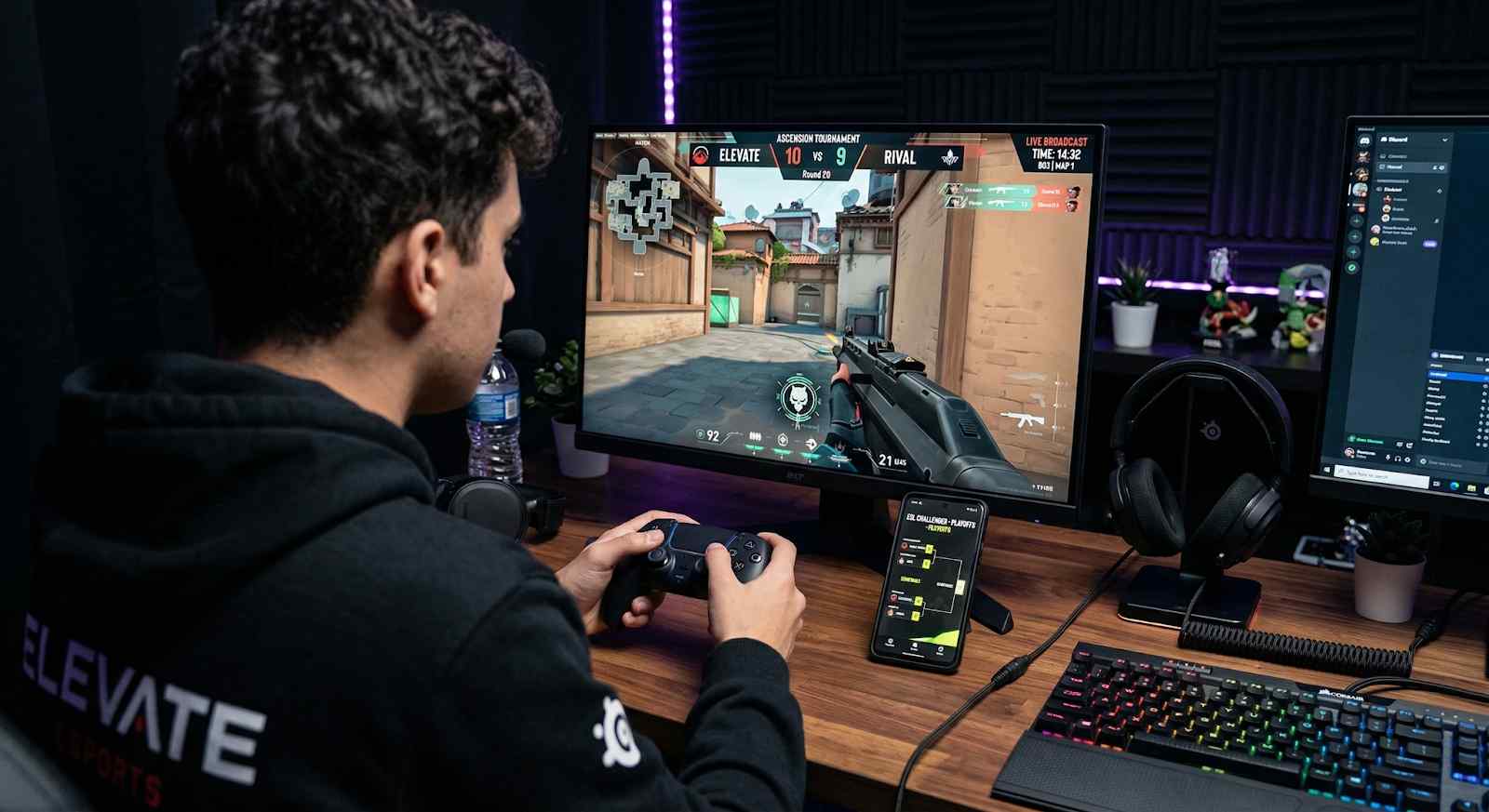
PlayStation has transformed from a primarily single-player gaming platform into one of the most vibrant competitive ecosystems in modern gaming. Sony’s investments in tournament infrastructure, cross-platform capabilities, and genre diversity have accelerated competitive adoption beyond what Xbox or Nintendo have achieved. PlayStation users now engage with competitive gaming at unprecedented rates across fighting games, shooters, sports simulations, and battle royales.
The Tournament Infrastructure Advantage
Sony PlayStation Tournaments integrate directly into the PS5 operating system, allowing developers to create competitive ladders and prize-supported competitions without building separate infrastructure.
This built-in system has democratized competitive access. Players simply select a tournament from their game’s menu, register with their PSN account, and compete. This friction reduction has expanded participation beyond the hardcore enthusiast base.
The economic ecosystem surrounding PlayStation competitive gaming has matured significantly. Consider esports betting at Bovada, a popular online betting platform that demonstrates how PlayStation’s major esports titles have achieved mainstream recognition. The site’s eSports betting markets cover PlayStation-dominated competitive games, including Street Fighter 6, Gran Turismo 7, and Guilty Gear Strive, with detailed odds for major tournaments and championship brackets.
The platform’s comprehensive betting markets on PlayStation esports signal that these competitions have reached sufficient viewership scale and competitive integrity to justify sophisticated wagering infrastructure. This institutional validation reflects competitive PlayStation gaming’s evolution from niche hobby to established entertainment category. The betting market’s existence also creates viewer engagement – spectators watching PlayStation tournaments gain personal stakes in outcomes, driving viewership that further legitimizes the competitive scene.
Cross-Platform Play Breaking Down Barriers
Sony’s embrace of cross-platform play has fundamentally altered PlayStation’s competitive landscape. The shift to cross-platform matchmaking in major titles like Roblox, Fortnite, Rocket League, and Call of Duty has unified player bases. Competitive players benefit most from this integration as it exposes PlayStation users to broader skill ranges.
This integration has particularly benefited fighting game communities. When Street Fighter 6 and Tekken 8 launched with full cross-platform play, PlayStation tournament organizers could run unified events, elevating overall skill levels.
Genre Diversity Driving Participation
PlayStation’s competitive ecosystem spans broader genre diversity than competing platforms. While Xbox emphasizes shooters and PC dominates strategy games, PlayStation hosts thriving competitive communities across fighting games, racing simulations, and sports titles.
This genre diversity attracts different competitive demographics. Gran Turismo 7’s FIA-certified championships appeal to motorsport enthusiasts. Street Fighter 6 engages fighting game traditionalists. MLB The Show draws baseball fans. This variety creates multiple entry points.
PlayStation exclusives also benefit from concentrated player bases. While multiplatform games fragment communities, exclusives like Gran Turismo concentrate all competitive players on a single platform, creating better matchmaking.
Spectator Features Enhancing Engagement
Sony has invested heavily in spectator-friendly features. The PS5’s Create button enables instant clip creation when remarkable plays occur, generating shareable content that promotes competitive communities organically.
Share Play allows friends to spectate competitive matches in real-time without owning the game, reducing barriers to competitive viewership. This has proven valuable for niche competitive titles, where potential spectators might hesitate to purchase games they won’t play themselves.
PlayStation competitive content on streaming platforms outperforms both Xbox and Nintendo. This reflects both improved spectator tools and maturing competitive scenes around PlayStation-exclusive titles.
The Mobile Companion Strategy
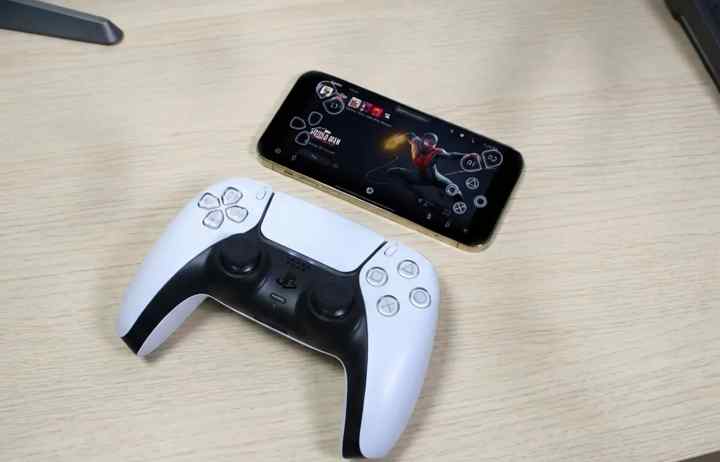
PlayStation’s Remote Play functionality has unexpectedly boosted competitive participation by enabling practice from anywhere. Competitive players can maintain their ranked positions during travel and practice execution during commutes.
This mobile accessibility particularly benefits fighting game competitors who need consistent practice. The ability to run training mode combos on Remote Play during lunch breaks helps maintain form between major tournaments. While serious competition requires console play, mobile practice prevents skill degradation.
Community Management
Sony’s improved moderation systems have made PlayStation competitive environments more welcoming. Voice chat filtering, behavior-based matchmaking, and report systems with visible enforcement have reduced the toxicity that historically plagued competitive gaming.
These systems work particularly well in ranked competitive modes where players have strong incentives to maintain positive reputations. The threat of competitive bans creates deterrent effects absent in casual play.
The result is competitive environments that retain players who might otherwise abandon ranked play due to negative interactions. Players report feeling more comfortable in PlayStation competitive modes compared to PC gaming, where moderation remains inconsistent.
The Path Forward
PlayStation’s competitive gaming growth shows no signs of slowing. Sony’s continued investment in tournament infrastructure, combined with developers’ increasing focus on competitive features, suggests the platform will remain central to console esports.
The convergence of improved infrastructure, genre diversity, cross-platform play, and spectator features has created an ecosystem where competitive gaming feels native to the PlayStation experience. More players discover competitive modes through streamlined tournament systems, and PlayStation’s competitive population will likely continue expanding. The platform has successfully transformed competitive gaming from enthusiast pursuit into mainstream entertainment accessible to PlayStation’s broader user base.