

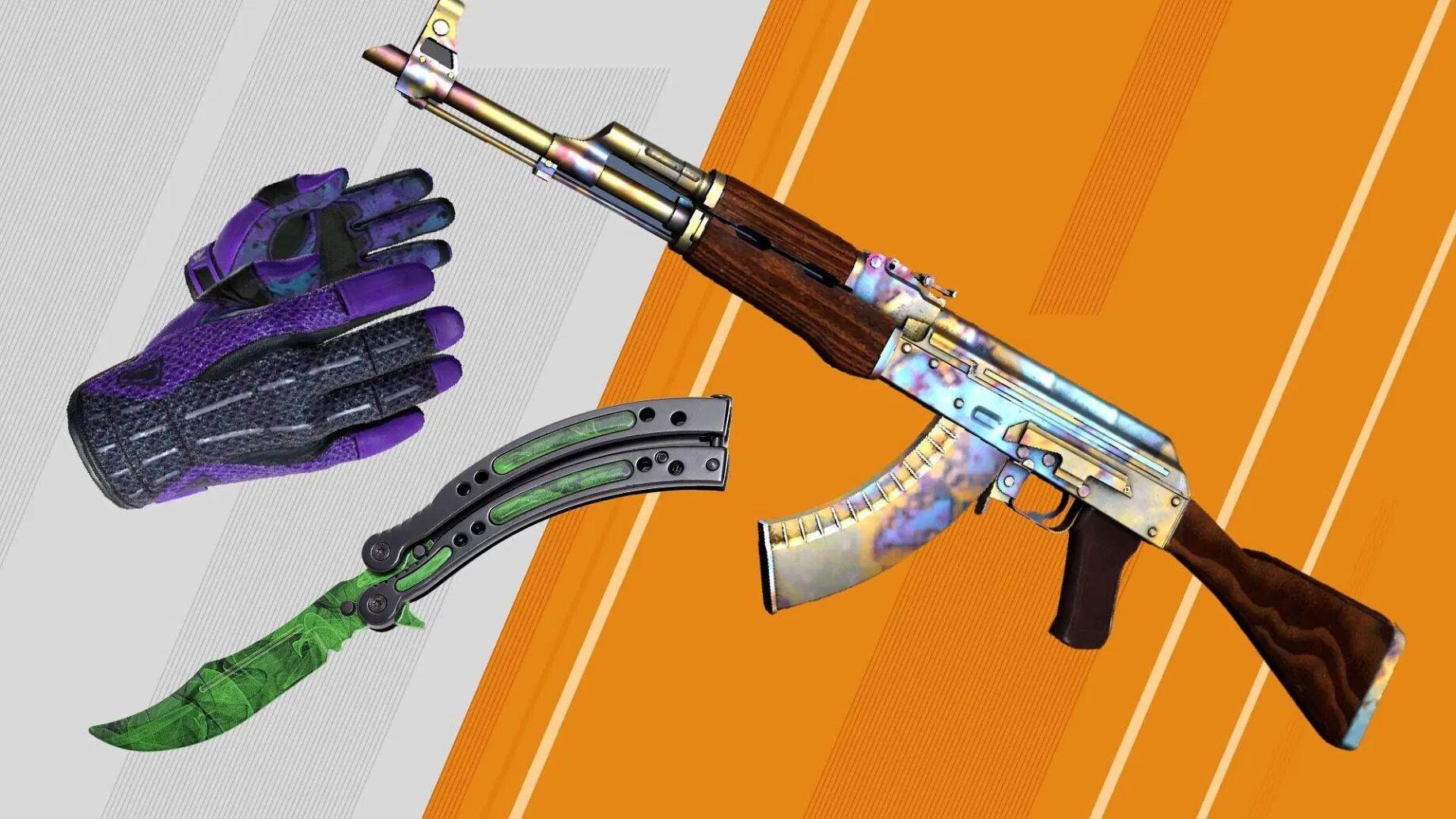
For many Counter-Strike players, skins are more than cosmetic upgrades. They are collectibles, conversation starters, and sometimes even assets within a large player-driven economy. Understanding the basics of a csgo exchange is often the first step for anyone interested in trading skins or managing a growing inventory.
While the idea of exchanging skins may seem complicated at first, the underlying system is relatively straightforward. Players obtain cosmetic items through gameplay, purchases, or case openings, and those items can then be traded or sold to other users. Over time, a large marketplace has formed around these transactions, supported by community tools, marketplaces, and trading networks.
For beginners, learning how skins circulate within the game’s ecosystem helps make the trading process both safer and more enjoyable.
Where skins come from
Every skin in Counter-Strike originates from a specific collection or weapon case. When players open cases using keys, the game randomly assigns one item from the available set. Some skins are common, while others are extremely rare.
Besides case openings, skins can also enter a player’s inventory through gameplay drops. These drops occur occasionally during matches and provide players with random cosmetic items or cases.
Other players prefer a more direct approach and purchase skins from marketplaces. This method allows them to obtain specific items without relying on chance.
Once skins enter the ecosystem, they can be freely traded between players.
Understanding skin rarity
Not all skins carry the same level of rarity or desirability. Counter-Strike uses a tier system that determines how frequently items appear in cases.
The standard rarity categories include:
Higher rarity tiers appear far less often, which naturally increases their value within the market. Special items such as knives are especially coveted because they combine rarity with distinctive animations in the game.
For beginners, recognizing rarity levels is one of the most important aspects of evaluating skins.
How trading works in practice
Trading skins is handled through the Steam trading system. This system allows two users to exchange items directly from their inventories.
The typical process works like this:
-
One player sends a trade offer.
-
Both sides review the items included in the trade.
-
Each player confirms the exchange.
-
The transaction is approved through the Steam mobile authenticator.
After confirmation, the items are automatically transferred between the accounts involved.
Because the system is integrated into Steam, it provides a structured environment where both parties can verify the details before completing the trade.
Evaluating the value of skins
Determining the value of a skin involves several different factors. Beginners often assume rarity alone defines the price, but the reality is more complex.
Several elements influence how much a skin is worth:
-
weapon popularity in competitive play
-
visual design and color scheme
-
wear condition (float value)
-
supply levels in the market
-
overall community demand
Wear condition deserves special attention. Each skin has a float value that determines its visual condition, ranging from Factory New to Battle-Scarred. Even when two skins share the same design, their condition can dramatically affect their price.
For example, a Factory New skin may look almost untouched, while a heavily worn version may appear scratched and faded.
Community trading networks
Although the Steam system provides the foundation for exchanges, much of the trading activity happens through community spaces. Forums, social media groups, and Discord servers connect players who want to negotiate trades or discuss skin values.
These communities help traders find specific items or compare prices across different marketplaces. Experienced traders often use these spaces to analyze trends or identify potential deals.
For beginners, joining a trading community can provide useful insights and help them understand the dynamics of the market.
Avoiding common trading mistakes
New traders sometimes rush into deals without understanding the full value of their items. This can lead to unbalanced trades or unnecessary losses.
Some mistakes appear frequently among inexperienced traders:
-
accepting offers without checking market prices
-
trading rare skins for several low-value items
-
trusting suspicious links or external trade offers
-
ignoring wear levels or pattern variations
Taking time to research skins before completing a trade is one of the best ways to avoid these issues.
Security and account protection
Because skins can have real monetary value, security is an essential part of trading. Scammers occasionally attempt to trick players through fake trade offers or phishing links.
Steam provides several features designed to protect users, including the Steam Guard mobile authenticator. This system requires mobile confirmation for trades, which adds an extra layer of protection.
Players should also verify URLs carefully before logging in and avoid clicking unfamiliar links sent by strangers.
By maintaining strong account security, traders significantly reduce the risk of losing items.
Building a trading strategy
Successful traders rarely rely on luck alone. Many develop strategies based on market observation and gradual inventory growth.
Some traders specialize in collecting rare skins, while others focus on frequent smaller trades that gradually increase inventory value. A common approach is to trade multiple lower-tier skins for a single higher-tier item.
This method allows players to slowly upgrade their inventories over time.
Patience often plays a crucial role in this process. Skin values can fluctuate depending on game updates, market demand, or shifts in player interest.
A player-driven economy
What makes the Counter-Strike trading scene unique is the role of the community. The value of skins is largely determined by player demand rather than developer pricing.
This dynamic creates a constantly evolving economy where items gain or lose value depending on how the community perceives them.
For newcomers, participating in this ecosystem can be both exciting and educational. Trading skins introduces players to concepts like rarity, supply, and market trends — all within the environment of a video game.
Understanding the fundamentals of skin exchanges allows players to explore this side of Counter-Strike with confidence while enjoying the process of collecting and trading unique items.