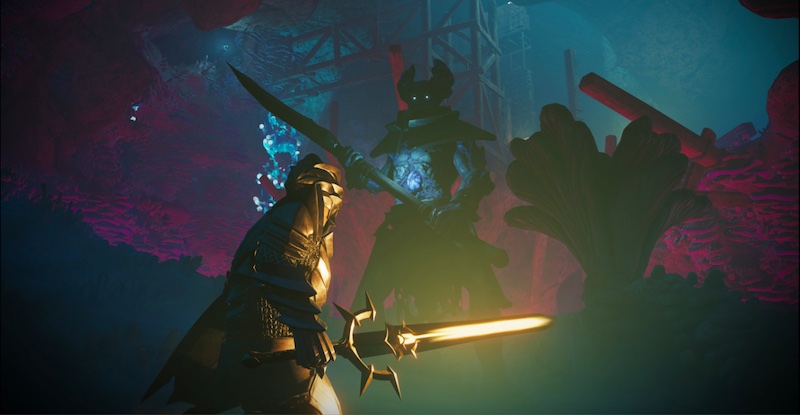



Players rarely sit down and think about game design. They notice the graphics first. Maybe the story. Sometimes the soundtrack. Yet the thing that determines how long someone stays in a game usually sits somewhere else entirely.
It is the structure underneath. Most players recognize the feeling even if they never name it. You launch a game expecting to play for twenty minutes. Then a challenge appears that feels just manageable enough. You try again. A reward unlocks. Suddenly, the idea of stopping feels premature.
An hour disappears that way. Game designers spend years trying to create that exact rhythm.
Why Some Games Stick
Think about the difference between a game you finish once and a game you return to repeatedly.
The visuals might be impressive in both. The story might even be similar. But something about the second game keeps pulling you back. Often that “something” is progression.
Players want to feel movement. Not necessarily fast movement, but clear movement. A character grows stronger. A new area opens. A piece of equipment changes how the next encounter works.
Even small changes can create momentum. You finish a mission and unlock a skill. That skill makes the next challenge slightly easier. The game quietly pushes you forward.
The Power of Small Rewards
Developers rarely rely on one large reward. Instead, they scatter many small ones across the experience.
A level increase.
A hidden collectible.
A trophy notification that flashes for only a moment.
Individually, these rewards might seem insignificant. Together they form a pattern that encourages players to continue.
Common engagement systems appear across many modern games:
• experience and leveling mechanics
• unlockable gear or abilities
• collectibles tied to exploration
• rotating challenges or seasonal content
• achievement or trophy systems
On PlayStation platforms, trophies often become part of that rhythm. Some players actively chase them, but even casual players notice when one appears. The notification signals progress and progress tends to encourage another attempt.
Uncertainty Keeps Things Interesting
Predictability helps players understand a system. But unpredictability can make it exciting.
Many games mix the two.
A player might know that rare equipment can appear after defeating enemies. What they cannot know is when it will appear. That uncertainty changes how encounters feel.
Every fight might be the one.
Randomized rewards appear across different genres. Role-playing games distribute loot this way. Card-based games rely on shuffled draws. Multiplayer titles sometimes include cosmetic rewards tied to chance.
A similar design principle exists in other forms of digital entertainment. Probability-based systems power games such as online slots in Canada, where outcomes depend on programmed randomness rather than player skill. Casino.org publishes guides explaining how slot mechanics operate, including elements such as paylines, volatility levels and bonus rounds that shape how frequently rewards appear.
Although console games and slot machines work differently, both rely on the same underlying idea: uncertainty can keep players curious.
Signals That Something Happened
Rewards matter, but players also need confirmation that their actions changed something.
This is where feedback becomes important.
Think about defeating a boss in a game. The music might shift. The screen flashes. Sometimes the controller vibrates. Those signals make the victory feel real.
Even small interactions receive similar treatment. Opening a chest may trigger a quick animation. Picking up resources might produce a soft sound.
Without these cues, progress can feel strangely flat.
Designers therefore pay careful attention to how success looks and sounds.
The Scale of the Industry
All of these design decisions exist within a rapidly growing industry.
According to Statista, the global video game market is projected to reach around $282 billion in revenue by 2027, reflecting steady growth across console, PC and mobile platforms.
With an industry that large, thousands of titles compete for players’ time every year. Developers cannot rely solely on marketing or visuals to stand out.
They also need systems that keep players engaged.
Billions of Players, Endless Choice
The audience for games is enormous. Statista estimates that around 3.32 billion people worldwide played video games in 2024.
With so many players and so many games available, switching from one title to another has become easy. If a game fails to maintain interest, players often move on quickly.
That reality places enormous pressure on design.
Small adjustments to pacing, difficulty, or reward timing can influence whether someone continues playing or leaves after a few sessions.
The Invisible Side of Game Design
When a new game launches, trailers usually highlight visuals and cinematic moments. Those elements help create the first impression.
Yet the mechanics that shape long-term engagement rarely appear in marketing. They operate quietly.
A well-paced progression system.
A reward that appears at the right moment.
A challenge that feels difficult but not impossible.
Players may never consciously analyze these systems. But they notice the result every time they decide to play just one more mission before putting the controller down.